
Dubai Property Regulations: How Homeowners Can Avoid Inspection Warnings

If you own a house or an apartment in Dubai, you probably know how strict the city is about rules. But many landlords get a huge shock when building management or the municipality drops an official warning notice out of nowhere. The frustrating part is that your villa or apartment might look completely clean, beautiful, and perfect from the outside. But Dubai inspectors do not care about interior design or looks. They look at the hidden stuff like your electrical wires, AC setups, and safety papers.
When you get a sudden compliance letter, it causes immediate tension. These papers give you Dubai property regulations a very short time to fix everything, ask for expensive repairs, and threaten to fine you or take legal steps. If you want to save your money and avoid this daily stress, you need to understand what real problems homeowners face, why these sudden checks happen, and how you can take care of your property early.
1. Dubai Property Regulations: The Real Problems Behind Sudden Warning Notices
For the majority of property owners in Dubai, the compliance issue starts with an unexpected notification from building management or an official authority. You might be collecting your rental income smoothly, your tenant might have zero daily complaints, and you believe your investment is running perfectly fine.
Then, you receive an official non-compliance notice listing multiple technical or safety violations discovered inside your unit. The main problem here is the timeline. Building managements typically give homeowners only 7 to 14 days to completely resolve the issues. Along with the short deadline, these notices carry severe warnings that create immediate pressure:
The Threat of Utility Cutoffs: The notice explicitly states that failing to fix the technical hazards within the given window will result in an official request to suspend DEWA water and electricity services to the unit.
The Risk of Legal Bans: It highlights potential legal cases at the rental courts, lease termination risks, and the blocking of the property from future Ejari tenancy registrations until the violations are formally cleared.
Service Charge Penalties: Immediate financial fines can be added directly to the owner’s master building account, which must be cleared before any future property resale or paperwork approval.
This situation forces owners into an emergency state, requiring them to drop their daily schedules and handle complex building repairs immediately under heavy emotional and financial stress.
Hidden Technical Failures That Homeowners Fail to Notice
The primary reason property owners get caught off guard is that they cannot easily see the mechanical faults that official inspectors target. A residential property can look beautifully decorated, but it can fail a standard compliance checklist instantly due to hidden issues inside walls, ceilings, and cupboards.
These are the most common technical problems that trigger unexpected property notices on the ground:
The Fire Safety System Neglect
Most owners completely forget about the smoke detectors, ceiling heat sensors, and water sprinklers inside their properties. Over multiple years, dust from continuous AC airflow or layers of paint from casual apartment renovations block the delicate fire sensors. During mandatory building safety tests, these blocked devices fail to communicate with the central control panel. If a home’s fire life safety system is not checked, cleared, and logged by a certified fire safety provider, it triggers an immediate safety violation.
Overloaded Electrical Panels and Aging Breakers
Main electrical distribution boards (DB boards) work silently out of sight inside hallways or laundry cupboards. Homeowners rarely open or check them until a total power blackout occurs. Inside the panel, loose wire connections, overloaded circuits, and faulty internal breakers slowly generate excessive heat over time. Dubai building inspectors utilize thermal imaging tools during audits, and if they spot an unserviced board, a heat signature hazard, or a panel lacking an inspection log, they issue a violation.
AC Condensation Stagnation and Wall Leaking
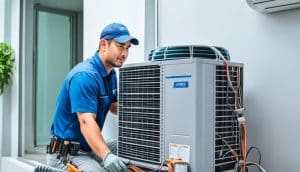
Because Dubai’s extreme climate forces air conditioning units to run continuously almost 24/7, condensation trays fill up with water constantly. If the internal drain lines are blocked by dirt, dust, and slime, the water has nowhere to go and overflows. This water slowly seeps behind the drywall, causing bubbling paint, structural mold growth, or leaking directly into the common building corridors or the neighbor’s apartment below. By the time the visual damage appears, building management has already logged it as a major structural compliance failure.
Blocked Balcony and Main Drainage Lines
Slow drainage in balconies or bathroom floor traps often goes ignored by residents. However, when unexpected heavy rainstorms hit Dubai, or during regular building main-line high-pressure flushing, these minor debris blocks cause sudden, rapid water backflows. Flooded balconies and leaking water lines damage the shared exterior facade of the building, which constitutes an immediate community violation.
The Practical Headaches of Handling Emergency Deadlines
Once an official warning notice arrives with a ticking 14-day deadline, solving the technical problem becomes highly difficult and frustrating for an owner. Homeowners face major operational barriers during this emergency phase:
Paying Inflated Emergency Rates:
Because your official deadline is running out, you do not have the time to research multiple technical companies, evaluate market rates, or negotiate costs. You are forced to hire whoever is available to come immediately. Contractors understand you are facing a strict government or management deadline, meaning short-notice emergency bookings always carry highly inflated premium prices.
The Official Certification Requirement:
This is where many owners waste substantial amounts of money. To save cash under pressure, they hire a cheap, independent handyman to fix the issue quickly. However, building managements will reject the repair because clearing an official violation requires a formal Certificate of Completion and a technical report signed by a fully licensed, engineering service provider. This causes owners to pay twice—once for the temporary fix and again for an approved company to redo the work legally.
Tenant Friction and Rental Court Risks:
If the property is currently occupied by a tenant, rushing heavy emergency contractors into the space creates massive personal arguments. Tenants face unexpected noise, dust, and a complete loss of household privacy. This intense disruption often leads to tenants filing official complaints at the Rental Dispute Center (RDC), demanding rent reductions, or taking legal action for the inconvenience.
Planned Upkeep vs Emergency Reactions: The Real Differences
Many real estate investors look at ongoing maintenance packages as an avoidable monthly expense. However, when you analyze the actual operational problems and real market numbers in Dubai, planned maintenance is always significantly cheaper than reacting to a crisis:
|
Property Management Feature |
Reacting to an Emergency Notice |
Having a Planned Maintenance System |
| Financial Cost Impact | High emergency rates for parts and fast labor (AED 3,000 to AED 10,000+ in a single week). | Low, predictable, and fixed annual or monthly fees that fit budgets easily. |
| Stress and Timeline Pressure | High panic trying to meet a strict 7-14 day government or management deadline. | Zero daily stress. All maintenance and inspection timelines are automated. |
| Official Documentation | Difficult and slow to get approved compliance certificates from random handymen. | Every service visit generates formal technical logs ready for inspectors instantly. |
| Asset Longevity | Systems run until they fail completely, causing massive early equipment replacement costs. | Maximizes the functional lifespan of expensive systems like AC compressors. |
Three Questions Every Dubai Landlord Must Evaluate Today
To check if your property is truly safe from receiving a sudden compliance notice this month, ask yourself these three realistic questions:
- If an official building inspector walks into your property right now, do you possess an authorized technical service receipt for your AC system from the last six months?
- Has a licensed, qualified electrician opened, tested, and balanced your main electrical panel board within this calendar year?
- Are your fire alarms and ceiling smoke detectors completely clean, active, and free of recent interior paint or dust layers?
If your answer to any of these points is “no,” or if you are completely unsure about the paperwork availability, your real estate investment is currently exposed to sudden inspection failures. Dubai authorities follow strict, clear guidelines—the updated technical service records must be present in your physical or digital files, or the property is considered non-compliant on the spot.
Conclusion: Why an AMC is the Absolute Best Solution for Homeowners
When you check all the technical risks, emergency costs, and tight deadlines, waiting for things to break is just a bad idea. Getting an Annual Maintenance Contract (AMC) is the easiest and smartest way to handle your property in Dubai. Instead of worrying about sudden breakdowns or the next random inspection, an AMC keeps everything running smoothly.
This is where SpatialFit Technical Services comes in. Experts take complete care of your home throughout the year. They handle your deep AC cleaning, check your electrical panels for safety hazards, clear your rainwater drains, and keep all your technical paperwork fully updated according to local rules. They turn a high-stress property problem into an easy, automated system. You save a lot of money on emergency callouts, keep your tenants happy, and get complete peace of mind.
Taking action before a warning notice arrives is the only way to save your hard-earned money. Don’t leave your home to pure luck or wait until it’s too late. Protect your investment and stay fully compliant—book your SpatialFit AMC today.


 Hassle-free property maintenance